Understanding Trigeminal Neuralgia: Causes, Symptoms, and Treatment Options

We offer Neuromodulation as a modality of treatment for patient who have failed conservative management including but not limited to Medications (Including AED; Antiepileptics and membrane stabilizers), Nerve blocks, Radiofrequency Ablations and even Surgeries (Laser or Craniotomies for decompression).
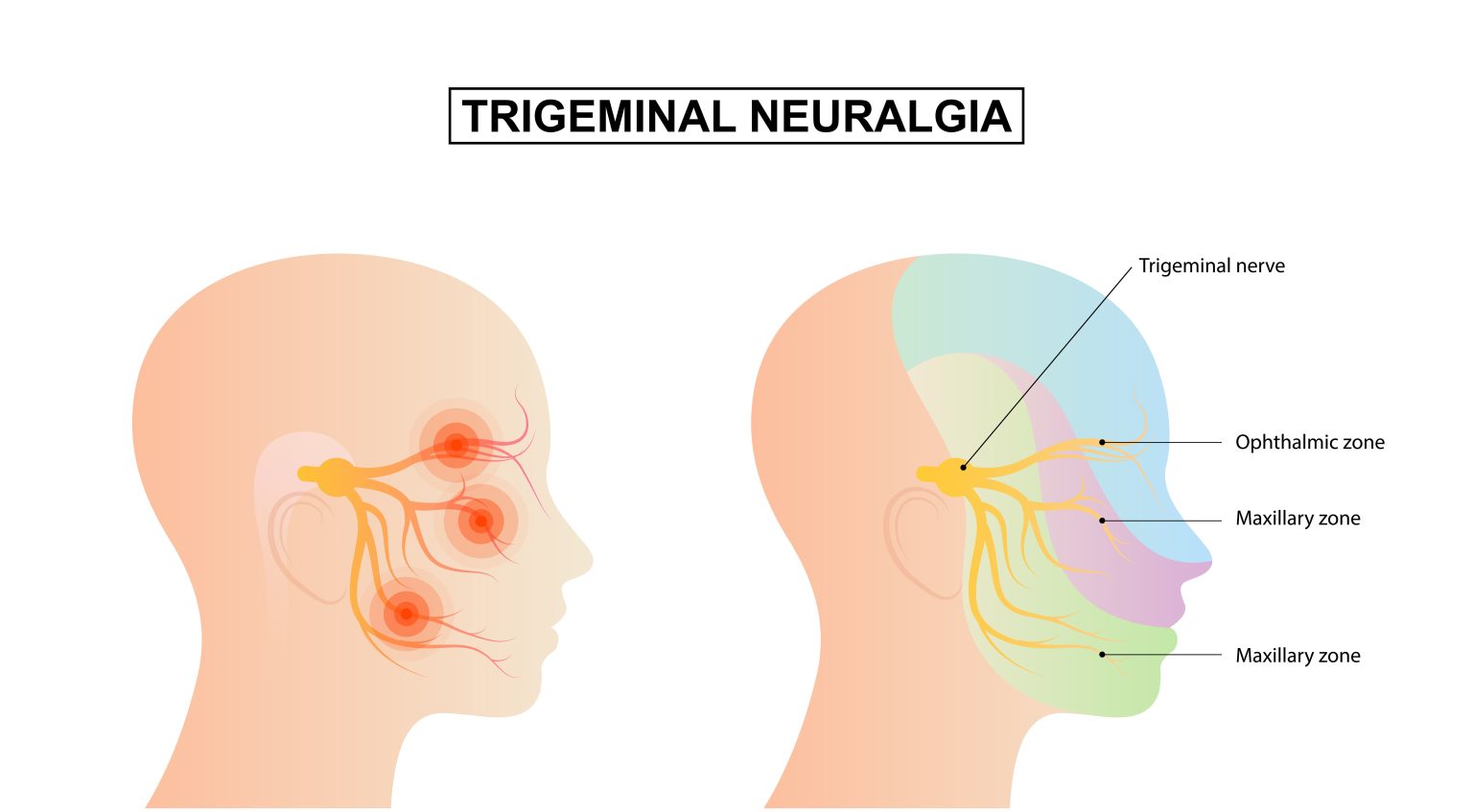
Trigeminal neuralgia is a debilitating neurological condition characterized by intense facial pain that can be triggered by even simple actions like chewing, speaking, or touching the face. This chronic pain disorder affects the trigeminal nerve, one of the largest nerves in the head, responsible for transmitting sensory information from the face to the brain. While the exact cause of trigeminal neuralgia remains elusive, several factors may contribute to its development, including compression of the trigeminal nerve, vascular abnormalities, and nerve damage.
Causes of Trigeminal Neuralgia
Trigeminal neuralgia often occurs when the trigeminal nerve is compressed by nearby blood vessels, leading to irritation and dysfunction of the nerve. In some cases, conditions such as multiple sclerosis or tumors may also contribute to the compression of the trigeminal nerve, resulting in the development of trigeminal neuralgia. Additionally, nerve damage due to aging or injury can increase the risk of developing this condition. While the precise cause varies from person to person, the hallmark of trigeminal neuralgia is sudden, severe facial pain that can significantly impact an individual's quality of life.
Symptoms of Trigeminal Neuralgia
The primary symptom of trigeminal neuralgia is excruciating facial pain that can occur in brief, unpredictable episodes or persist for longer periods. This pain is often described as sharp, stabbing, or like an electric shock, and can be triggered by activities such as eating, talking, or even lightly touching the face. Individuals with trigeminal neuralgia may experience episodes of intense pain followed by periods of remission, during which symptoms temporarily improve. However, as the condition progresses, the frequency and severity of pain episodes may increase, leading to significant discomfort and disability.
In addition to facial pain, individuals with trigeminal neuralgia may also experience other symptoms such as:
Tingling or numbness: Some individuals may experience sensations of tingling or numbness in the affected area of the face.
Muscle spasms: In some cases, trigeminal neuralgia may be accompanied by involuntary muscle contractions, known as spasms, in the facial muscles.
Sensitivity to touch: The affected area of the face may become extremely sensitive to touch, temperature changes, or even gentle breezes, triggering episodes of pain.
Diagnosis of Trigeminal Neuralgia
Diagnosing trigeminal neuralgia typically involves a thorough evaluation of the individual's medical history, a comprehensive physical examination, and imaging studies such as magnetic resonance imaging (MRI) or computed tomography (CT) scans. These tests help to identify any underlying conditions or abnormalities that may be contributing to the individual's symptoms. Additionally, healthcare providers may perform sensory testing to assess the extent of nerve damage and determine the most appropriate treatment approach.
Treatment Options for Trigeminal Neuralgia
While there is no cure for trigeminal neuralgia, several treatment options are available to help manage symptoms and improve quality of life for affected individuals. The choice of treatment depends on various factors, including the severity of symptoms, the individual's overall health, and their response to previous therapies. Common treatment options for trigeminal neuralgia include:
Medications: Anticonvulsant medications such as carbamazepine, oxcarbazepine, and gabapentin are often prescribed to help control nerve pain associated with trigeminal neuralgia. These medications work by stabilizing abnormal electrical activity in the nerves, reducing the frequency and intensity of pain episodes.
Surgical Interventions: For individuals who do not respond to medication or experience severe, debilitating pain, surgical interventions may be recommended. Procedures such as microvascular decompression, gamma knife radiosurgery, and percutaneous rhizotomy can help relieve pressure on the trigeminal nerve and alleviate pain symptoms.
Spinal Cord Stimulation: Spinal cord stimulation is a minimally invasive procedure that involves implanting a small device near the spinal cord to deliver electrical pulses, interrupting pain signals and providing relief for conditions like trigeminal neuralgia.
Nerve Blocks: Nerve blocks involve injecting medication directly into the affected nerves to temporarily block pain signals and provide relief from trigeminal neuralgia symptoms.
Physical Therapy: Physical therapy techniques such as gentle stretching exercises, massage, and heat therapy may help relax tense muscles and alleviate pain associated with trigeminal neuralgia.
Conclusion
Trigeminal neuralgia is a challenging condition characterized by severe facial pain that can significantly impact an individual's quality of life. While there is no cure for trigeminal neuralgia, various treatment options are available to help manage symptoms and improve overall well-being. By working closely with healthcare providers and exploring different treatment approaches, individuals with trigeminal neuralgia can find relief from pain and regain control over their lives.
Know more details visit here: Neurosciencescenters